Showing posts with label IoT. Show all posts

Connecting Everyday Smart Devices To The Internet

Internet of Things (IoT)

Internet of Things (IoT)


There has been a lot of talks and discussions on IoT with the evolution of Internet and Mobile technology. The discussion of this topic will continue as more and more advanced cellular, wireless and mobile devices are improved in terms of the speed of the that they can transmit.

So what is IoT?

Let me try and explain in a simply terms. Internet of Things refers to the idea of connecting everyday smart devices or objects (TV, smart thermostat, industrial machines and streetlights, fitness tracker, Electricity Meter, Water Meter, Apple watch, Fridge, Power Control Board at home, Themostats for Incubators) to the internet and enabling them to communicate with each other and humans . By connecting these devices, they can share data with humans, make quick decisions and efficiently.
For example, a smart refrigerator in an IoT ecosystem could notify you when you're running low on groceries or automatically adjust its temperature based on the contents inside. The key idea is to enhance the capabilities of ordinary objects by giving them the ability to collect and exchange data through the internet.


Internet of Things vrs Artificial Intelligence

IoT and AI are machines and the all require medium to work efficiently? Therefor before I proceed to highlights the difference let me ask you? what is Artificial Intelligence? Artificial means not natural or original in the human sense.


Artificial Intelligence (AI)

Artificial Intelligence, on the other hand, is about creating machines or systems that can perform tasks that typically require human intelligence. This includes things like learning from experience, understanding natural language, recognizing patterns, and making decisions.
Now that you understand what is AI, let me break down the IoT vrs AI.
For  advertisements, website templates, development, hosting and maintenace, please whatsapp  +233541204399  or send me mail and I will get back to you.

While IoT is more about connecting and enabling communication between devices, AI focuses on making these devices smarter by allowing them to analyze data, learn from it, and make intelligent decisions. In simpler terms, IoT is about connecting things, while AI is about making those connected things smarter and more capable.

In some applications, IoT and AI can work together synergistically. For example, in a smart home, IoT devices like sensors and cameras can collect data, and AI algorithms can analyze that data to make intelligent decisions, such as adjusting the thermostat based on your preferences. I hope this explanation is clear now? I will share with you a project I did sometime ago to read and monitor my electricity meter realtime.

In that project I used a smart meter with Mbus component, smart Modem with also MBus compoenet, 3G SIM with a publick IP, A server in China and AWS cloud service to connect all these component and was able to communicate with my house meter from anywhere.


contact us for business, telecoms tools, fibre OTDR, spectrum analyzers

Name:

E-mail: *

Message: *

Big Data and the Internet of Things


The Relationship Between Big Data and the Internet of Things (IoT)

Internet of Things (IoT)  and Relationship Between Big Data


In the rapidly evolving digital age, two concepts have been making a significant impact on businesses - big data and the Internet of Things (IoT). These two technologies, although developed independently, are closely connected and work hand in hand to capture and analyze data for making informed business decisions. In this article, we will explore the relationship between big data and the IoT, how they are used together, and the challenges and solutions associated with their integration.


Understanding Big Data

Big data refers to a vast amount of data that is characterized by three key attributes: volume, velocity, and variety. The volume refers to the sheer size of the data sets, which are often too large to be processed using traditional methods. Velocity refers to the speed at which data is generated and needs to be analyzed in real-time. Lastly, variety indicates that big data can include structured, unstructured, and semi-structured data.

The value of big data lies in its potential to uncover hidden patterns and trends that may not be evident in smaller data sets. It provides organizations with a comprehensive view of their operations and enables them to gain actionable insights. However, analyzing such large and complex data sets can be challenging using traditional methods.

The Emergence of the Internet of Things (IoT)

The IoT refers to a network of physical objects, devices, and sensors that are connected to the internet. These interconnected devices collect and share data, which can be analyzed to gain valuable insights. IoT devices can range from wearables and medical devices to industrial equipment.

The IoT provides organizations with unprecedented visibility into their connected devices, allowing them to gather real-time data from various sources. This real-time data collection generates a massive amount of information, which becomes an important source of big data.

The Interconnection of Big Data and IoT

Big data and the IoT have become increasingly interrelated as the volume of data generated by IoT devices continues to grow exponentially. The complex data and information gathered by IoT devices can be considered a big data set that is gathered in real-time. This data is then stored and analyzed to extract meaningful insights.

To summarize the relationship between big data and IoT, a network of connected devices equipped with electronics and sensors collects and sends real-time information to the internet. This information is compiled into vast data sets (big data) and analyzed to uncover useful patterns and insights.

Leveraging Big Data in IoT

Big data analytics plays a crucial role in making sense of the data collected by IoT devices. These analytics solutions take the vast, unstructured data generated by IoT devices and organize it into smaller, more manageable data sets. This allows organizations to gain insights into their processes, improve decision-making, and optimize their operations.

There are different types of insights that can be derived from big data analytics when used in conjunction with the IoT. Descriptive analytics provides real-time insights into how connected devices are performing, their usage patterns, and identifies any anomalies. Diagnostic analytics aims to uncover the reasons behind the descriptive analytics, helping organizations understand why devices are behaving in a certain way or producing specific outputs.

Predictive analytics is a highly applicable use of big data in IoT. By utilizing machine learning and analyzing past data, predictive analytics can forecast how a device will function in the future. This is particularly useful for predictive maintenance, allowing organizations to anticipate failures or servicing needs before they occur.

Lastly, prescriptive analytics provides actionable insights into how organizations can impact observed or predicted outcomes. It helps organizations make informed decisions and take proactive measures to optimize their operations.

Challenges and Solutions in IoT with Big Data Analytics

While the integration of big data and IoT offers immense potential for businesses, there are challenges that need to be addressed. Two significant challenges include data visualization and data storage and management.

Data visualization is a critical aspect of IoT analysis as it aids in identifying key trends and insights. However, the heterogeneous nature of data generated by IoT devices, which comes in various formats (structured, unstructured, and semi-structured), makes data visualization more complex.

Data storage and management also pose challenges as big data continues to grow at an exponential rate. Organizations need efficient and scalable storage systems to manage and store the large amounts of data generated by IoT devices.

To overcome these challenges, organizations can leverage advanced analytics solutions that offer data visualization capabilities tailored to the diverse formats of IoT data. Additionally, scalable and efficient data storage systems can help manage and store big data more effectively.


In summary I can conculde that Big data and the Internet of Things are closely intertwined, with the IoT serving as a major source of big data. The combination of these two technologies enables organizations to capture, analyze, and gain valuable insights from the vast amount of data generated by IoT devices. By leveraging big data analytics, organizations can optimize their operations, improve decision-making, and drive business success in the digital age.


IoT devices and Internet Of Things

Internet of Things(IoT) Devices

When it comes to IoT devices there are so many of them depending on the areas in which it is used.. You can have devices that support applications in Agriculture, Health, Energy, Homes, Retails, Cars and Automotive, Environments, Manufacturing(Industrial IoT), Towns and Smart Cities and Personal Wearables.I am going to group these IoT devices according to their industrial applications. If you have projects or are looking for devices to buy please do not hesitate to send me an email. IoT devices are hardware devices that connect to the internet to collect and exchange data or processed data,that is the basic use of an IoT device. Here are the lists of some common types of IoT hardware devices: Remember each device has interfaces and protocols it can support.

Example of IoT device with RS485, RS 232 Interefaces


Agriculture IoT Smart devices
  • IoT-enabled tractors and farming equipment
  • Crop monitoring sensors
  • Thermostats sensoring for poultry(Incubators) 
Health Monitoring IoT Smart devices
  • IoT-enabled medical devices 
  • Remote patient monitoring devices
Energy(Electricity) Smart Grid Devices:
  • Smart meters
  • Grid sensors
  • Distribution automation devices
Smart Home Devices
  • Smart thermostats 
  • Smart lighting systems 
  • Smart locks and doorbells
  • Smart cameras 
  • Smart refrigerators
  • Smart ovens
  • Smart washing machines
  • Smart TVs
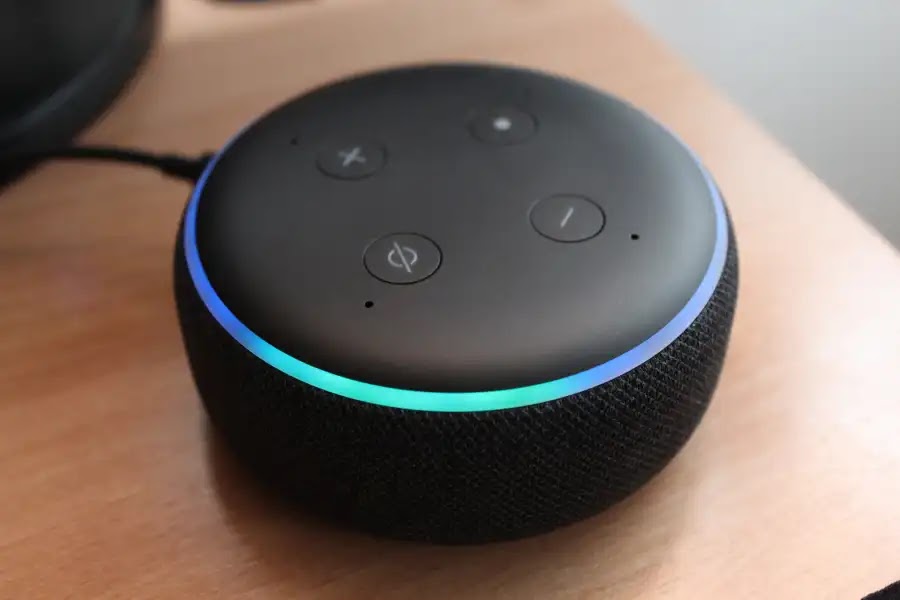
  • Smart speakers (e.g., Amazon Echo, Google Home)
Retail IoT Devices
  • RFID tags for inventory tracking
  • Smart shelves
  • Point-of-sale (POS) systems
Cars and Automotive IoT devices
  • Connected cars
  • Telematics devices
  • In-car entertainment systems
Environments IoT devices
  • Weather stations
  • Air quality monitors
  • Soil moisture sensors
Manufacturing(Industrial IoT)
  • Industrial sensors (temperature, pressure, humidity)
  • PLCs (Programmable Logic Controllers)
  • RFID (Radio-Frequency Identification) devices
  • IoT-enabled robots
  • Automated manufacturing systems
Towns and Cities
  • Traffic light Monitoring
  • CCTV Cameras
  • Face recognition Cameras
  • Timewear
 Personal Wearable Devices:
  • Fitness trackers 
  • Smartwatches 
 IoT Gateway Devices:
  • Gateways for connecting IoT devices to the cloud
  • Edge computing devices
For Request of  IoT, IoT loggers, IoT Gateways, business, advertisements, website development, cloud, fibre optic tools, telecom drive testing phones, softwares, training etc. Please call or send me mail using the contact form

Smart Home Essentials: Automation & IoT Tech

           Automation & IoT Tech

Automation & IoT Tech


Welcome to the world of home automation, where technology meets convenience and comfort. With the rise of smart devices and the Internet of Things (IoT) technology, our homes are becoming more connected than ever before. By automating various aspects of our home, we can control everything from lighting and heating to security and entertainment with just a few taps on our smartphones. In this article, we explore the wonders of home automation and the benefits it offers to modern households. Let's dive deep into the world of home automation, smart devices, the Internet of Things, and technology.

Understanding Home Automation Systems

Home automation systems use smart and connected devices to offer homeowners greater control over their living space. These systems let users manage and monitor various aspects of their home environment, including lighting, heating, security, and entertainment, using their smartphone or a central control panel.

Smart home automation is made possible by connecting traditional home devices and appliances to the internet. With the right integration, users can control them easily, even when they are away from home. By linking devices together, home automation systems create an interconnected network that enhances the overall experience.

Connected devices, such as smart thermostats, light bulbs, and security cameras, allow for more intelligent control of the home environment. By analyzing user preferences and behavior, connected devices help to make adjustments that save energy, improve safety, and increase comfort levels. With home automation systems, users can take advantage of the full range of capabilities offered by these smart devices.

Benefits of Home Automation

Implementing home automation technology has numerous benefits that can enhance your overall living experience. Here are some advantages:

Increased Convenience

Home automation allows you to control various aspects of your home with ease, such as adjusting the temperature, turning on lights, and playing music, all from a single device or app. You can also set up routines or schedules that automate tasks, saving you time and effort.

Improved Energy Efficiency

Smart home technology helps to save energy and reduce utility bills by automating energy usage and enabling you to monitor energy consumption in real-time. For example, smart thermostats can learn your daily routine and adjust the temperature accordingly, ensuring that energy is not wasted when you're away from home.

Enhanced Security

Home automation systems enable you to monitor and secure your home, even when you're away. You can remotely lock doors, view security camera feeds, and receive alerts in case of suspicious activity. This advanced security provides you with peace of mind and improves the safety of your family and property.

Personalized and Comfortable Living Spaces

Home automation allows you to customize your living environment to your preferences, whether that be setting up different lighting scenes, adjusting the temperature, or playing music that matches your mood. You can also integrate smart home technology with other devices, such as voice assistants, to create a seamless and personalized living experience.

In conclusion, home automation technology brings numerous benefits to homeowners, including increased convenience, energy efficiency, enhanced security, and personalized living spaces. By incorporating connected devices into your home, you can enjoy an improved quality of life and a seamless way of living.

Exploring Smart Devices for Home Automation

Smart devices are essential components of a home automation system. They allow homeowners to control various aspects of their home, including lighting, heating, security, and entertainment, all from one central location or through a mobile app.

Types of Smart Devices

There are many types of smart devices available for home automation, including:

  • Smart speakers like Amazon Echo and Google Nest Hub
  • Smart thermostats like Nest Learning Thermostat and Ecobee SmartThermostat
  • Smart locks like August Smart Lock and Schlage Encode Smart WiFi Deadbolt
  • Smart lighting like Philips Hue and LIFX Smart LED Bulbs
  • Smart appliances like Samsung Smart Fridge and LG Smart Washer/Dryer

Features of Smart Devices

Smart devices typically offer a variety of features, including:

  • Remote control and monitoring via mobile app or voice command
  • Integration with virtual assistants like Alexa, Google Assistant, and Apple HomeKit
  • Scheduling and automation based on user preferences
  • Energy-saving settings to reduce energy consumption and costs
  • Compatibility with different home automation systems and protocols

Interoperability and Compatibility

One of the challenges of home automation is ensuring that smart devices are interoperable and compatible with different home automation systems and protocols. Homeowners should choose smart devices that are certified to work with their home automation system, whether it's based on WiFi, Bluetooth, Zigbee, Z-Wave, or Thread protocols.

The Internet of Things (IoT) in Home Automation

The Internet of Things (IoT) technology has revolutionized the automation of homes. By connecting various smart devices in a home automation system, IoT allows for seamless communication and integration between these connected devices. This connectivity enables homeowners to remotely access and control all IoT enabled smart devices using a single platform, making home automation more intelligent and effortless.

For instance, IoT technology enables homeowners to control their smart thermostats, smart lighting, and other connected devices using voice commands, a mobile application, or a web-based dashboard. This way, they can create a comfortable, convenient, and energy-efficient environment for their home.

By adopting IoT technology in home automation, homeowners can enhance their connected lifestyle. IoT enables online streaming of music, videos, and games via smart TVs and other smart appliances. Also, homeowners can monitor the security and safety of their homes remotely using different IoT-enabled security systems.

Overall, the integration of IoT technology in home automation helps in creating a fully connected and intelligent home ecosystem. With the rapid advances in IoT technology, we can expect more innovative and advanced features for smart devices and home automation systems in the future.

Enhancing Home Security System with Automation

Home security systems have become a crucial aspect for homeowners as they seek to improve their safety and wellbeing. By integrating smart devices with an IoT-based home automation system, an advanced level of security can be achieved.

Smart security cameras, motion sensors, and door/window sensors are a few examples of smart devices that can help in enhancing home security. When combined with an IoT-based home automation system, they provide remote monitoring capabilities. Thus, alerts can be sent to your smart devices if any motion or break-in activity is detected in your home.

This system enables the homeowner to take quick and appropriate measures to ensure the safety of their home in real-time. They can also easily access the live stream of their home security cameras and remotely control their smart locks from their smart devices, providing added convenience.

The integration of home automation and smart security devices provide peace of mind, ensuring that homeowners can maintain a high level of security even when they are away from home.

Future of Home Automation and IoT

As technology continues to advance, the possibilities for home automation and the Internet of Things (IoT) are endless. The use of artificial intelligence (AI) is set to revolutionize the way we interact with our smart devices, making them even more responsive and intuitive. By 2030, it is estimated that there will be over 125 billion connected devices in use, which will create a vast network of connected data and insights that can be used to further personalize the home automation experience.

Voice control is also rapidly improving and becoming more ubiquitous, with the integration of natural language processing (NLP) and machine learning making it easier for homeowners to interact with their smart devices. Augmented reality (AR) and virtual reality (VR) are also poised to become fundamental components in creating digital experiences that seamlessly merge with our physical surroundings.

With the continued growth of smart home technology, the future of home automation and the IoT is looking bright. The integration of various emerging technologies will continue to expand the possibilities of what is possible, making it easier than ever to create a fully connected and convenient living environment.

Ensuring Privacy and Security in Home Automation

With the rise of home automation and the use of smart devices, ensuring privacy and security has become crucial. Homeowners can take several measures to safeguard their home automation system and smart devices.

Use Strong Passwords:

One of the easiest yet most effective ways to secure smart devices and home automation systems is to use strong and unique passwords. Avoid using generic passwords such as "123456" or "password." Instead, use a mix of uppercase and lowercase letters, numbers and special characters.

Update Firmware:

Regularly updating firmware is important to address any security vulnerabilities in smart devices and home automation systems. Keep track of the latest updates and patch any security holes as soon as possible.

Choose Reputable Brands:

Choose reputable brands for home automation systems and smart devices. Opt for brands that prioritize security and privacy in their products. Avoid purchasing devices from unknown brands.

In summary, protecting your home automation system and smart devices is essential. Taking necessary preventive measures can ensure that the connected devices in your home are secure.

Embracing a Connected Lifestyle with Home Automation

Home automation technology has revolutionized the way we interact with our living spaces. With the help of smart devices and connected devices, homeowners can now control various aspects of their homes, from lighting and temperature to security and entertainment, with ease.

Embracing a connected lifestyle with home automation means enjoying seamless control over your smart devices, allowing you to create an effortlessly convenient and comfortable living environment. With just a few taps on your smartphone or a simple voice command, you can adjust your home's temperature, turn on/off lights, and even lock/unlock doors, all from the comfort of your couch or bed.

But the benefits of home automation go beyond just convenience. Connected devices and smart devices can also contribute to improved energy efficiency, enhanced security, and personalization of living spaces. For instance, smart thermostats can learn your temperature preferences and automatically adjust the settings to save energy while keeping you comfortable. Smart security systems can send real-time alerts to your smartphone when suspicious activity is detected, allowing you to take swift action.

Moreover, home automation technology is constantly evolving, with new advancements in AI and voice control making it easier and more intuitive to interact with your smart devices. As more and more devices become connected, the possibilities of creating a fully automated and intelligent home ecosystem are endless.

So, embrace a connected lifestyle with home automation technology and enjoy the countless benefits it has to offer. From increased convenience and comfort to improved energy efficiency and security, smart devices and connected devices are set to transform the way we live in our homes.

Internet of Things(IoT) vrs Cloud Computing

Internet of Things(IoT) vrs Cloud Computing

Internet of Things(IoT) vrs Cloud Computing

In the ever-evolving landscape of technology, two giants stand tall, each wielding its unique prowess – Internet of Things (IoT) and Cloud Computing. While both are integral to the digital revolution, they serve distinct purposes and play different roles in shaping our interconnected world. Let me take you through to explore the differences and synergies between IoT and Cloud Computing.

  1. IoT: The Sensory Nervous System of the Digital World

At its core, the Internet of Things (IoT) is all about connectivity. It's the intricate web of devices – from smart thermostats to industrial sensors – that communicate with each other to collect and exchange data. IoT transforms everyday objects into intelligent entities, creating a network that enables real-time data analysis and decision-making. In essence, IoT is the sensory nervous system that empowers the digital world with insights and responsiveness.

  1. Cloud Computing: The Digital Powerhouse

On the other hand, Cloud Computing serves as the backbone of this interconnected ecosystem. It provides the infrastructure and resources needed to store, process, and analyze the massive volumes of data generated by IoT devices. The cloud acts as a digital powerhouse, offering scalable and on-demand computing power, storage, and services. It serves as the centralized hub where data is processed, enabling businesses and individuals to access applications and services anytime, anywhere.

Distinguishing Factors:

  • Data Processing Location:

    • IoT: Emphasizes decentralized data processing, often performing computations at the edge (closer to the device).
    • Cloud Computing: Centralized data processing, with computations taking place in data centers.
  • Real-Time vs. Batch Processing:

    • IoT: Prioritizes real-time processing for immediate insights and actions.
    • Cloud Computing: Often involves batch processing for tasks that can tolerate a slight delay.
  • Scalability:

    • IoT: Can scale horizontally as the number of connected devices increases.
    • Cloud Computing: Offers vertical scalability, allowing users to scale up resources as needed.
  • Dependency:

    • IoT: Relies on the connectivity and intelligence of devices at the edge.
    • Cloud Computing: Dependent on robust internet connectivity and centralized servers.

Conclusion:

In the grand symphony of the digital age, both IoT and Cloud Computing play crucial roles, each complementing the other in a harmonious dance. IoT brings the power of connectivity and real-time insights, while Cloud Computing provides the robust infrastructure needed to process and harness the potential of the vast data generated. Together, they propel us into a future where the seamless integration of smart devices and cloud capabilities reshapes the way we live, work, and innovate. It's not a battle between IoT and Cloud Computing; it's a collaborative effort that defines the next chapter of our technological journey.

Please feel free to contact me on any Telecommunications, IoT projects, WebDesign, hosting and Domain Registration.

Internet of Things Applications

 Internet of Things Applications

Internet of Things Applications


In a world that constantly craves connectivity and efficiency, the Internet of Things (IoT) has emerged as a transformative force, seamlessly integrating the physical and digital realms. The interconnected web of devices, sensors, and systems is not just a tech enthusiast's dream; it's a reality shaping industries and lifestyles alike. Let's embark on a captivating journey through some of the most remarkable IoT applications that are reshaping the way we live, work, and interact with the world.

  1. Smart Homes: Where Comfort Meets Innovation

Picture a home where your thermostat learns your preferences, your lights adjust to your mood, and your fridge tells you when you're running low on essentials. Smart homes powered by IoT technology are making this a reality. From intelligent thermostats and security systems to smart appliances, these applications not only enhance convenience but also contribute to energy efficiency, creating a more sustainable living environment.

  1. Healthcare Revolutionized: IoT in the Medical Field

IoT applications in healthcare have ushered in a new era of patient care. Wearable devices, connected medical equipment, and remote monitoring systems allow healthcare professionals to gather real-time data, offering personalized and proactive healthcare. Patients can now track vital signs, receive medication reminders, and even consult with doctors remotely, bridging gaps and making healthcare more accessible.

  1. Smart Cities: Paving the Way to Urban Efficiency

Imagine a city that responds to its citizens' needs in real-time – that's the promise of smart cities driven by IoT. From intelligent traffic management and waste disposal systems to efficient energy consumption, IoT applications are helping urban centers optimize resources and enhance the quality of life for residents. Smart cities are not just futuristic concepts; they are unfolding realities across the globe.

  1. Agriculture : Cultivating the Future with IoT

The agriculture sector is undergoing a digital revolution, thanks to IoT applications. Smart farming technologies enable farmers to monitor soil conditions, crop health, and weather patterns in real-time. This data-driven approach improves crop yield, reduces resource wastage, and ensures sustainable farming practices. IoT in agriculture is not only increasing efficiency but also playing a crucial role in addressing global food security challenges.

  1. Industrial IoT (IIoT): Transforming Manufacturing Processes

In the realm of manufacturing, Industrial IoT (IIoT) is revolutionizing traditional processes. Connected machines and sensors enable predictive maintenance, reducing downtime and improving overall efficiency. Supply chain management is becoming more transparent and responsive, allowing companies to streamline operations and adapt to market demands swiftly. The result is a more agile and competitive industrial landscape.

Key summary to keep in mind; as we navigate through the captivating landscape of IoT applications, it becomes clear that the Internet of Things is not just a technological phenomenon; it's a paradigm shift that is reshaping the way we live and work. From the comfort of our homes to the efficiency of our cities, IoT applications are touching every aspect of our lives, promising a future where connectivity and innovation go hand in hand. As we continue to embrace the potential of IoT, the journey towards a smarter, more connected world is only just beginning. I believe IoT will shape our future, but rather, how far its transformative influence will reach us.


Please feel free to contact me on any Telecommunications, IoT projects, WebDesign, hosting and Domain Registration